Transforming
Agriculture.

Enhancing

& Resilience.
WCS-LOGO

The WCS-FARM project focuses on Water Productivity, Carbon, Field-Scale Agricultural Research Multi-Crop Systems. This initiative integrates multi-crop systems through field-scale research, aiming to enhance water use efficiency, carbon sequestration and profitability through advanced management practices, promoting resilience to the cropping systems in the US.

Large-Scale,
Multi-Institutional Project

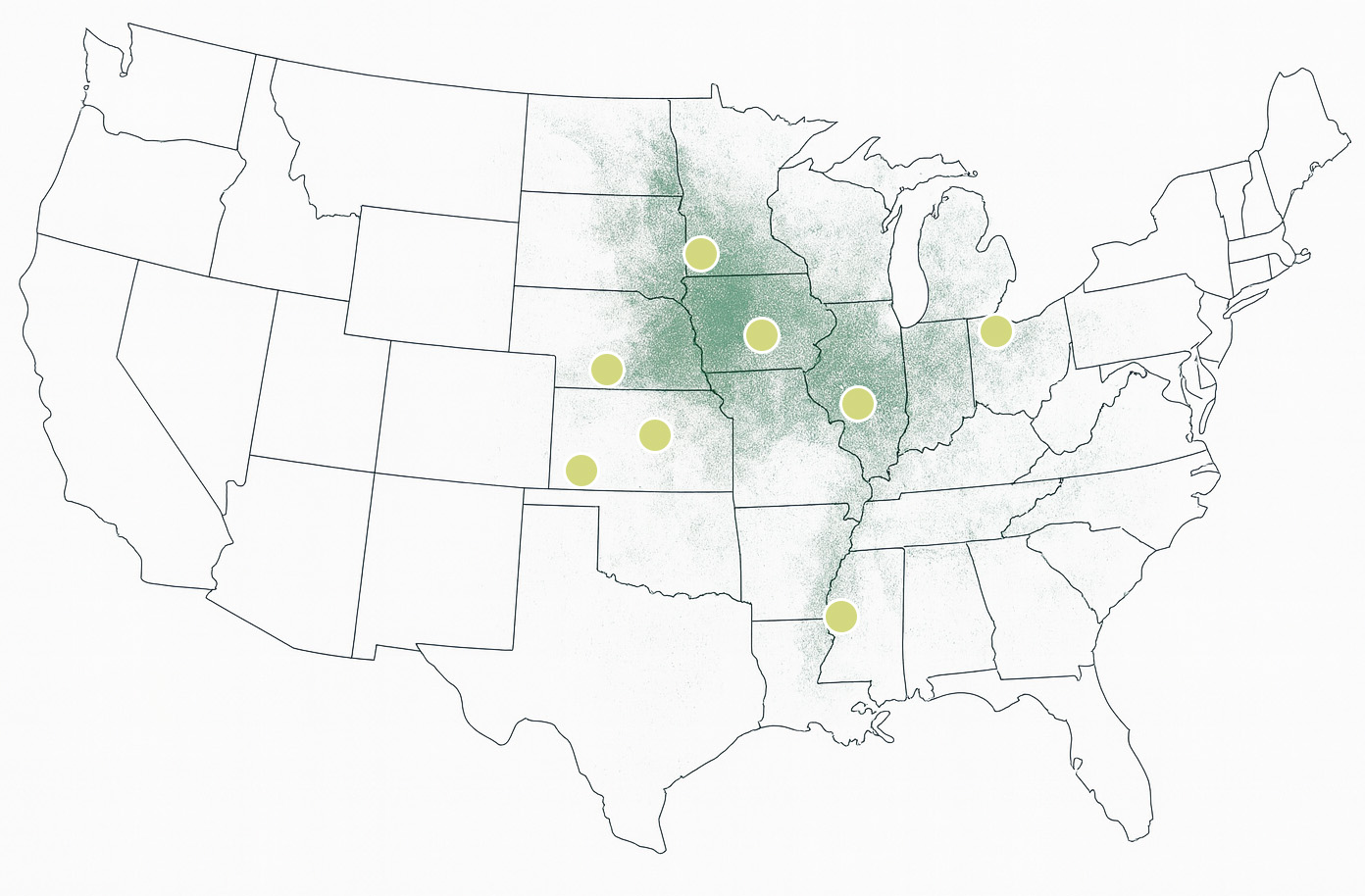
With collaboration from various universities and organizations, this project spans the U.S. Corn Belt and Great Plains. Our research investigates how agricultural management influences soil microbial communities and ecosystem functions.

FFAR, Kansas State University, Bayer Crop Science, along with institutions like Iowa State University and University of Kansas, has contributed to this transformative initiative.

Project Goals and Research Priorities

The project’s objectives align with critical aspects of agroecosystems productivity and resiliency.

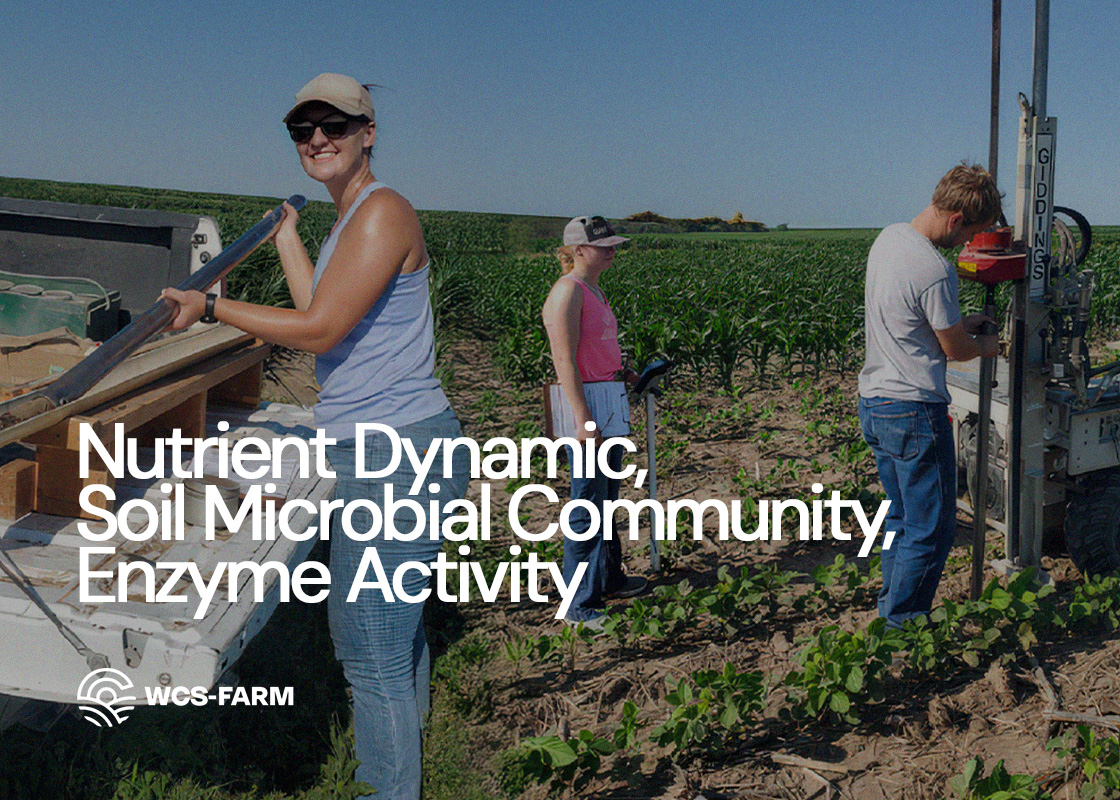
Key goals include determining the long-term impact of various management factors on productivity and characterizing how management practices influence microbial diversity and activity, particularly in relation to carbon storage and greenhouse gas emissions. Furthermore, the project utilizes process-based modeling to predict and explain cropping systems’ productivity.

This research addresses knowledge gaps and develops tools and technologies for site-specific decision-making, accelerating innovation and connecting farmers and scientists to co-create solutions that build and maintain productive agroecosystems that can withstand severe weather events.

1

Determine the long-term impact of multi-management factors on productivity and sustainability.

2

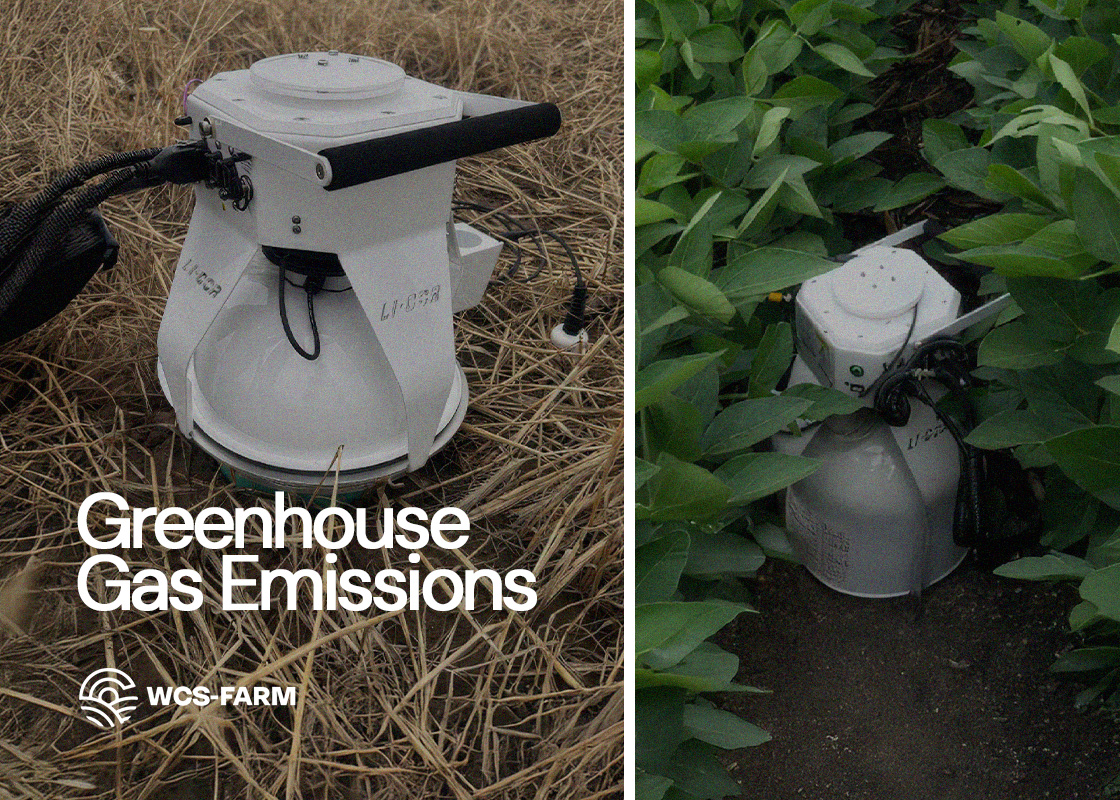
Characterize how management practices affect soil microbial diversity and activity, and their relationship with soil carbon storage and greenhouse gas emissions.

3

Process-based modeling to predict and explain cropping systems’ productivity and soil carbon contributions.

Rotation Intensity

Nitrogen Application

Tillage vs. No-Tillage

Innovative Approaches
and Technologies

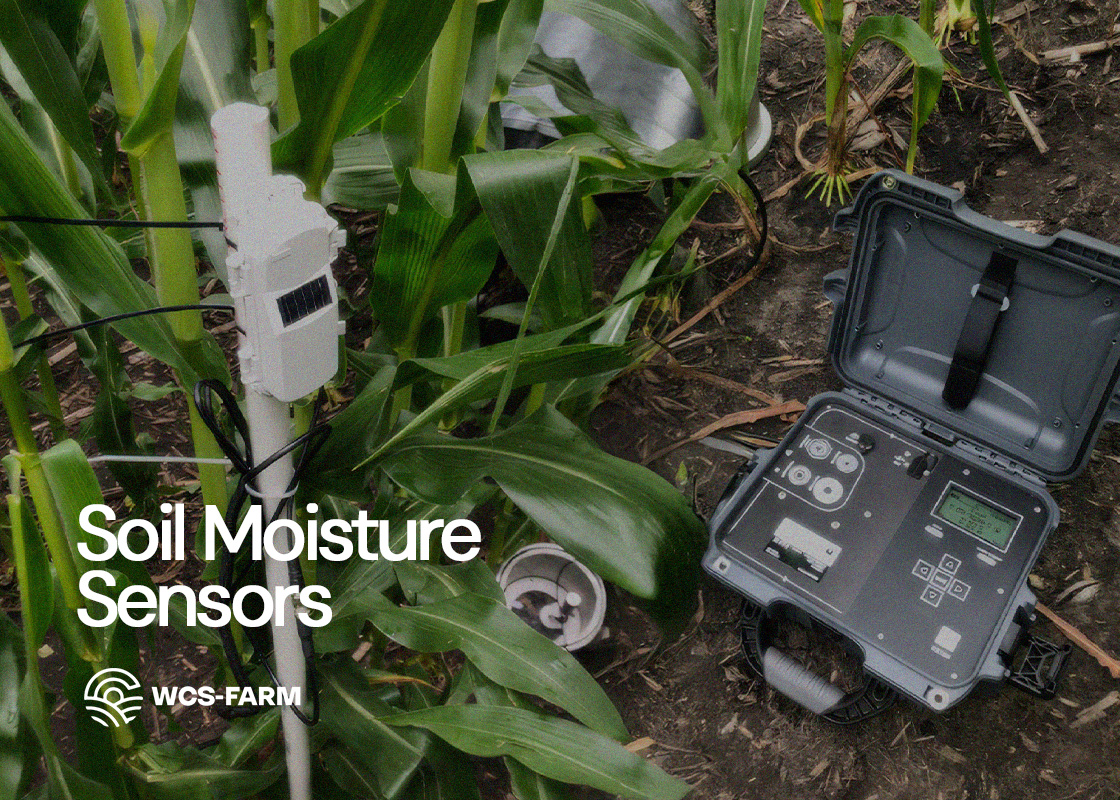
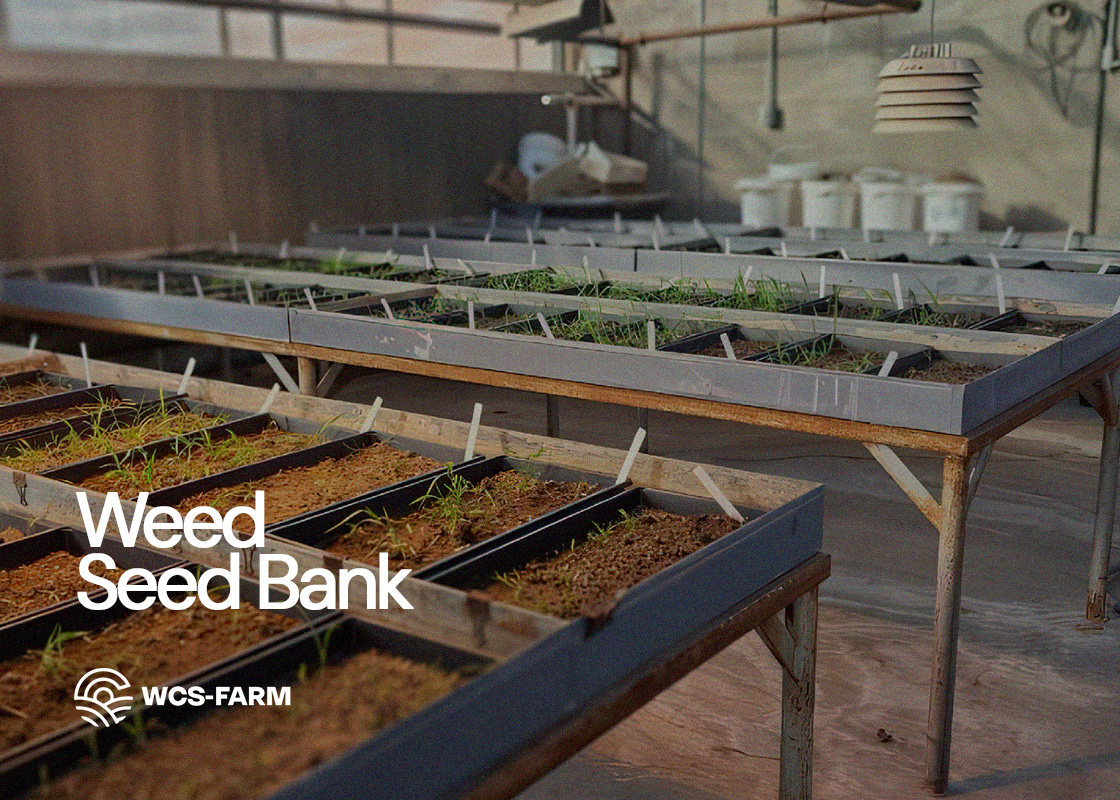
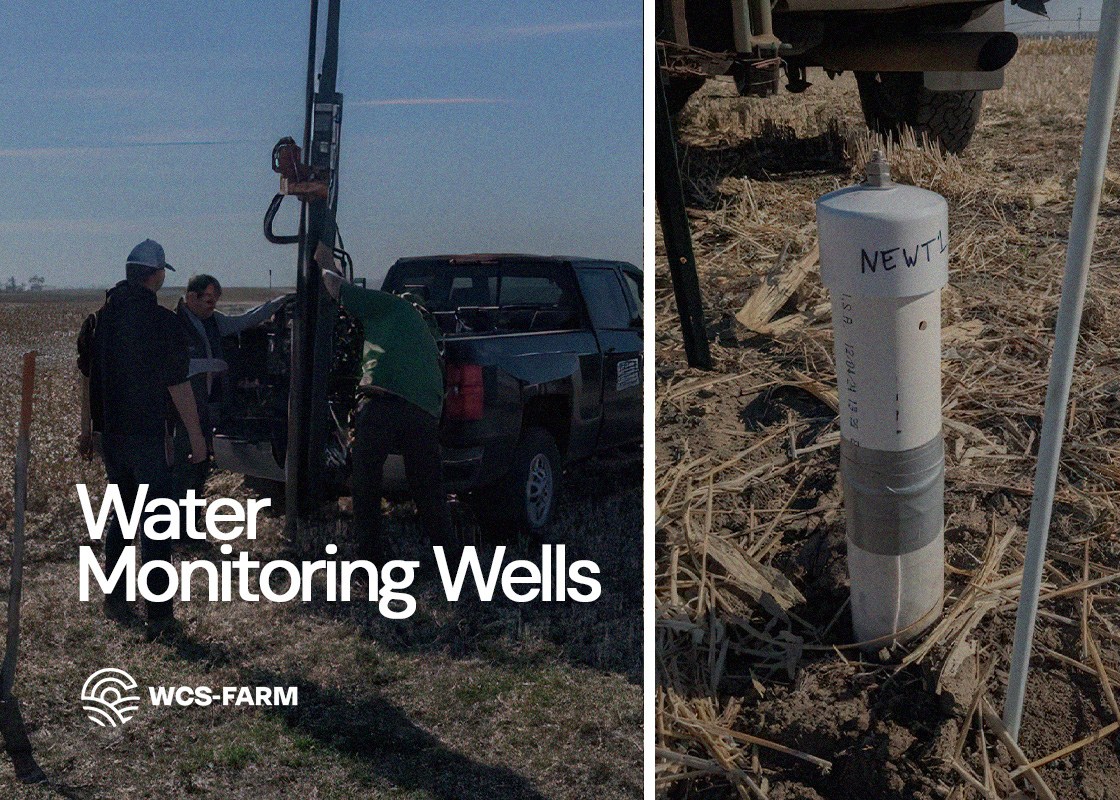
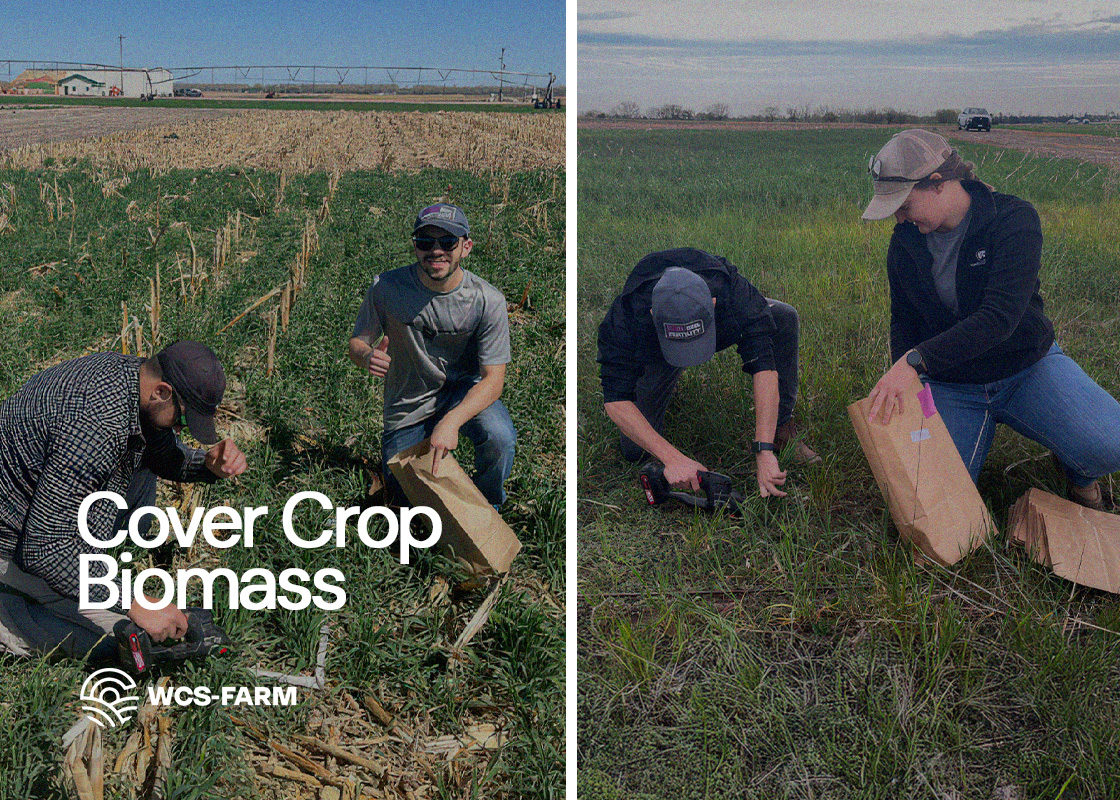
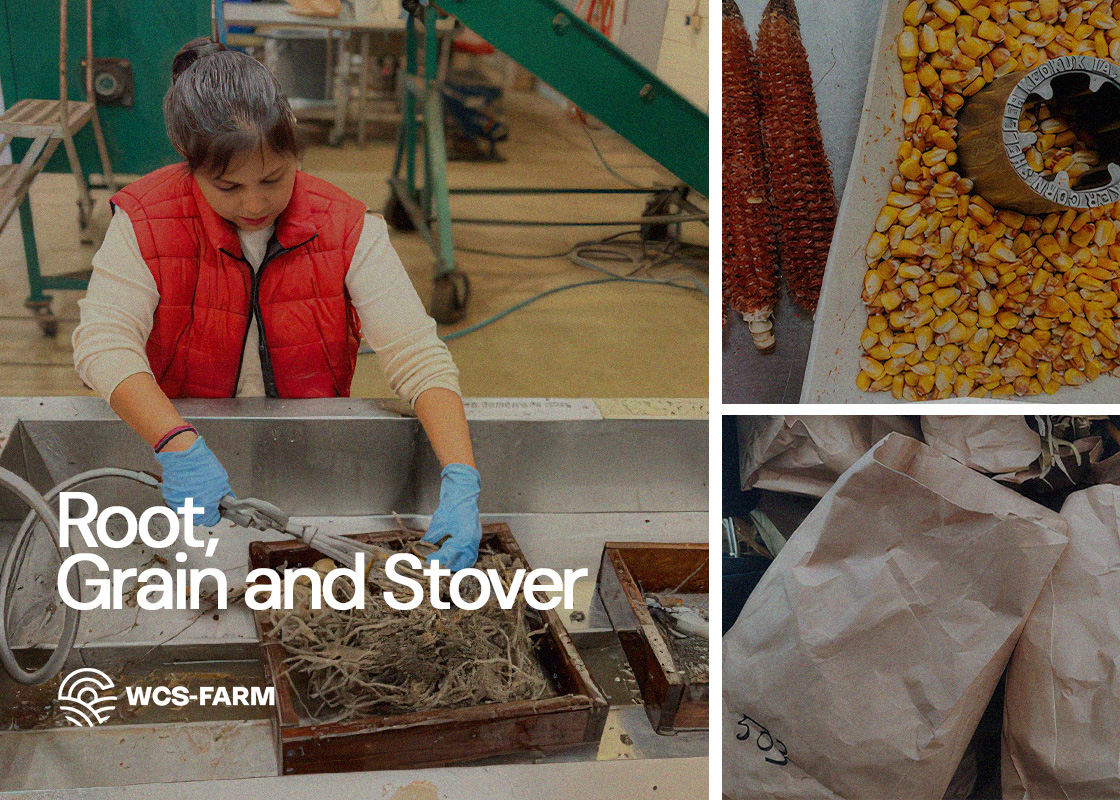
To achieve its objectives, WCSFARM employs innovative approaches and technologies such as high-resolution soil sensors, water monitoring wells, carbon modeling and detailed analysis of profitability. The research explores various crop management practices, including rotation intensity, nitrogen application, tillage versus no-tillage, and the use of cover crops. These efforts contribute to developing and refining knowledge, technology, and practices that address water and environmental challenges.

Field Study Locations:

Research sites Description
1. Illinois (Springfield) Rainfed
2. Minnesota (Arco) Rainfed shallow soils
3. Mississippi (Scott) Supplemental irrigation
4. Nebraska (Gothenburg) Supplemental irrigation
5. Ohio (Perrysburg) Rainfed and tile drainage.
6. Kansas (Garden City) Full irrigation
7. Iowa (Ames) Water table monitoring wells
8. Kansas (Lonsinger) Dryland

News and Publications

Collaborative Efforts

Grad Student’s Section

Funders and Partners:
Foundation for Food and Agriculture Research (FFAR); Kansas State University; Iowa State University; Mississippi State University; The Ohio State University; The University of Kansas; Bayer; LandScan; and LI-COR.